Exploring the Evolution of RPG Games: From Pixelated Adventures to Immersive Worlds
RPG games, short for Role-Playing Games, have come a long way since their inception. They have evolved from simple, pixelated adventures to vast, immersive universes that captivate players. This article delves into the evolution of RPG games, highlighting key developments and significant shifts in gaming technology and design.
The Historical Context of RPG Games
RPG games began in the late 1970s and early 1980s. The genre gained traction with tabletop games like Dungeons & Dragons. This early influence carried over into video games, leading to classics such as Final Fantasy and Dragon Quest.
| Year | Game | Impact |
|---|---|---|
| 1986 | Legend of Zelda | Introduced an open-world experience |
| 1997 | Final Fantasy VII | Set new standards for narrative depth |
| 2001 | World of Warcraft | Revolutionized online multiplayer RPGs |
The Shift from Pixels to High-Definition Graphics
With advancements in technology, RPG games have transitioned from 2D pixel graphics to stunning 3D visuals. This shift not just enhanced the visual experience but also allowed for richer storytelling and complex character development.
- **Enhanced Graphics**: From pixels to photorealistic environments
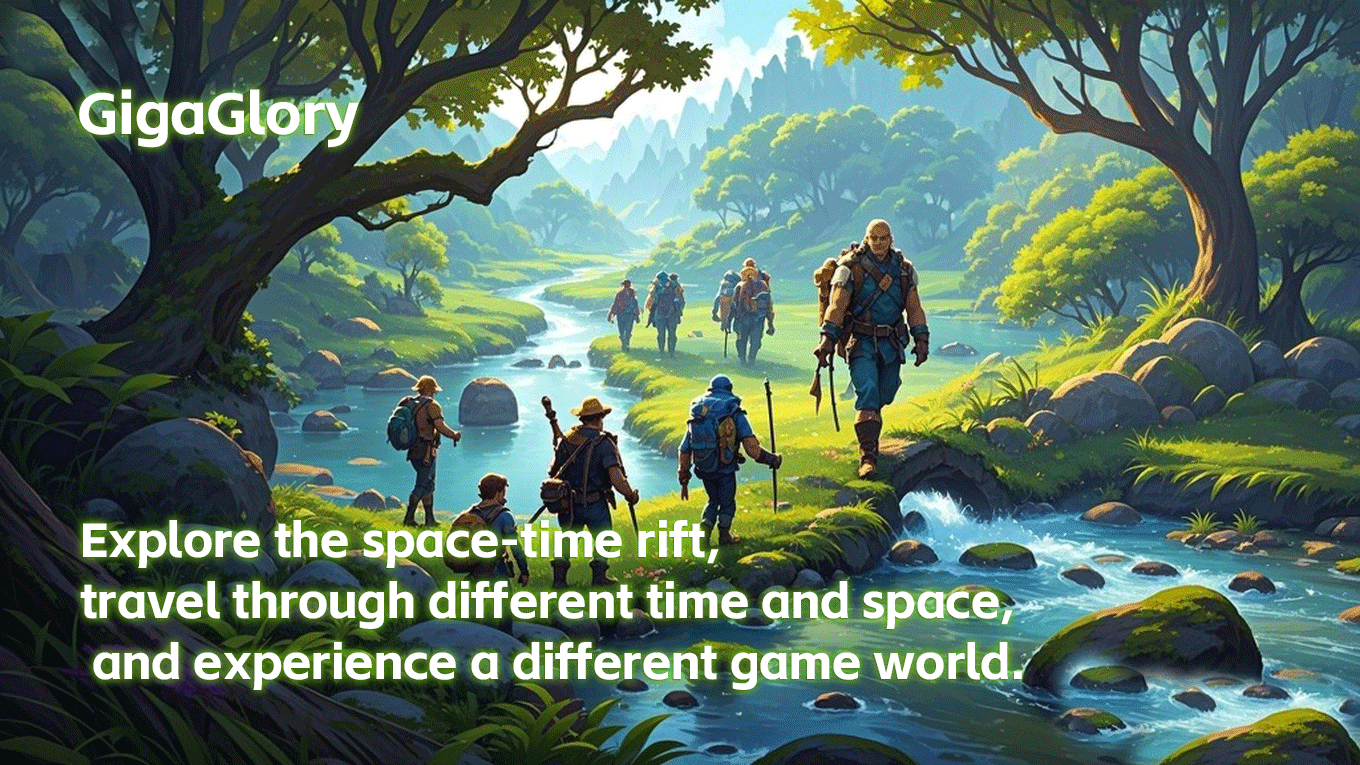
- **Open Worlds**: Players can explore vast landscapes with immersive detail
- **Dynamic Storytelling**: Choices matter more than ever, influencing game outcomes
Modern RPGs: Features and Mechanics
Modern RPGs come equipped with various features that engage players on multiple levels. Here are some key features that define current RPGs:
- Immersive Worlds: Players can engage in rich narratives and diverse environments.
- Character Customization: Players can create and develop unique characters.
- Complex Quests: Missions and stories that adapt based on player choice.
Understanding RPG Game Mechanics
One fascinating aspect of RPG games is how they incorporate different mechanics that keep players coming back. Some common mechanics include:
- Leveling Up: Players earn experience points to improve their character's skills.
- Inventory Management: Players gather and utilize items effectively.
- Combat Systems: These can vary from turn-based systems to real-time action.
The intricacies of these mechanics often lead to moments of excitement and frustration. One frequently encountered scenario is the "mw crashes end of match", where matches in some RPGs face unexpected issues, impacting gameplay. This reflects the inherent challenges developers face in balancing complex systems.
FAQs about RPG Games
Q1: What does RPG game stand for?
A1: RPG stands for Role-Playing Game, a genre where players take on the roles of characters and engage in storytelling.
Q2: How have RPG games changed over time?
A2: They have evolved from simple graphics and linear narratives to complex worlds with intricate plots and high-quality visuals.
Q3: What are some examples of popular RPG games today?
A3: Current popular RPGs include The Witcher 3, Skyrim, and Final Fantasy XV, each offering unique worlds and stories.
Conclusion
The journey of RPG games from their humble beginnings to the sophisticated worlds we see today is nothing short of remarkable. As technology continues to advance, who knows what the future holds for RPG games? Players can expect even more immersive experiences that challenge their creativity and decision-making skills. The landscape of gaming is changing, but the love for RPGs remains constant, promising deeper connections and grander adventures ahead.