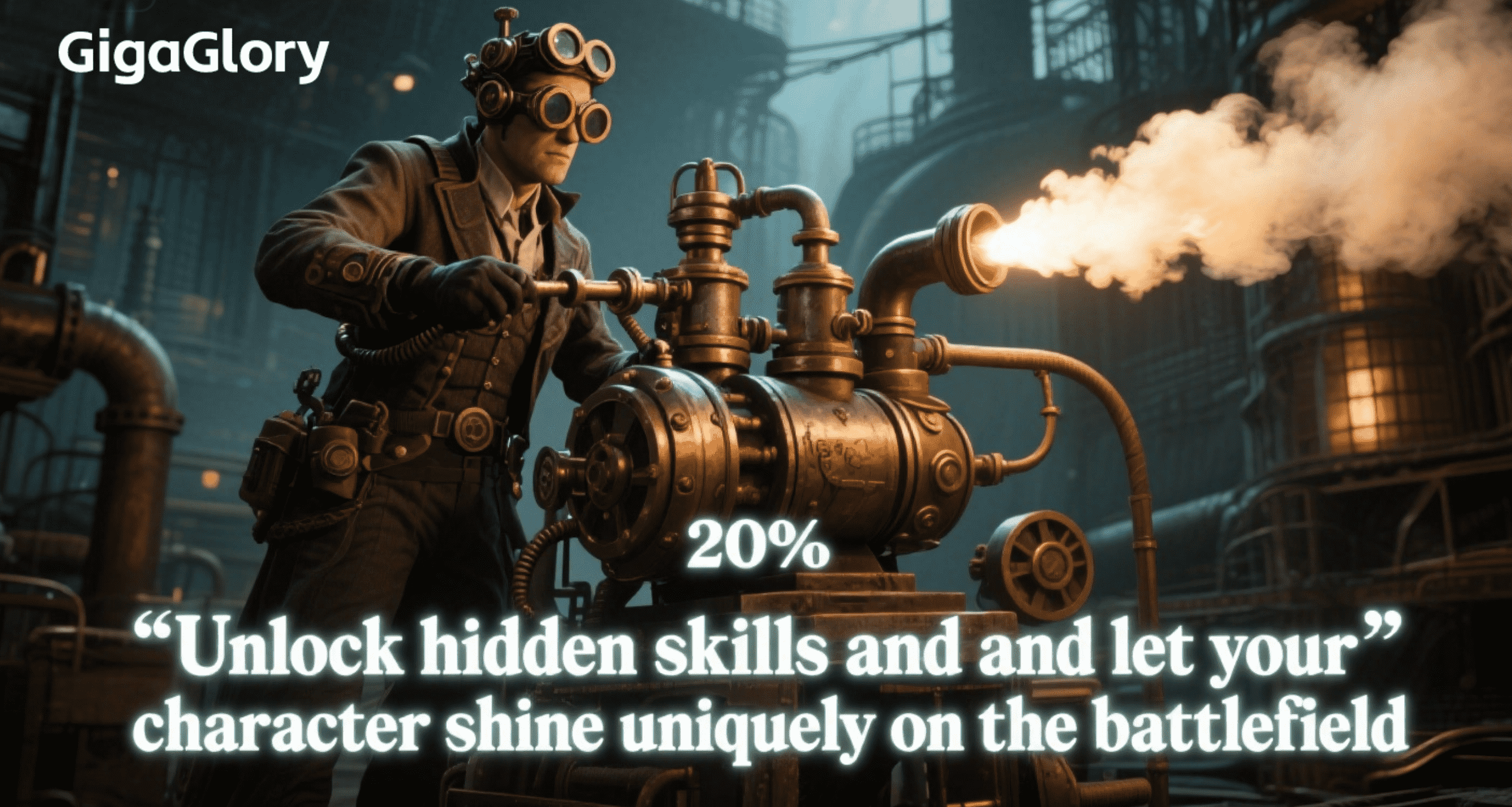
Why Casual Games Are the Perfect Gateway to Mastering Strategy Games
Many gamers often find themselves uncertain about whether they can handle the complexities of strategy games. A significant number of them begin their gaming journey with casual games, which serve as an excellent foundation for more complicated genres. By exploring this connection, we can uncover how these simpler games bolster our skills and understanding, ultimately paving the way for success in strategy games.
Understanding Casual Games
Casual games are designed to be easily accessible, featuring simplified mechanics that ease new players into the gaming world. These games typically involve:
- Simple rules that can be learned in minutes.
- Short play sessions appealing to players with limited time.
- Varied genres, from puzzle games to mobile arcade experiences.
Titles like Angry Birds and Tetris showcase how engaging and entertaining casual games can be without overwhelming the player. This accessibility plays a crucial role in attracting a wider audience.
Transitioning from Casual to Strategy Games
So, how do these uncomplicated games help players develop skills necessary for tackling complex strategy games such as Survive.io or Clash of Clans? The following are key components that transition smoothly from casual gaming to strategic thinking:
- Critical Thinking: Casual games often require players to think critically about their next move, enhancing their decision-making skills.
- Pattern Recognition: Players learn to identify repeating patterns and strategies, a vital skill in any strategy game.
- Resource Management: Many casual games incorporate elements of resource management, a cornerstone of strategy games.
Learning the Ropes with Casual Games
Casual games don't just teach players how to play; they also prepare them for more challenging situations. When players decide to make the shift to strategy games, they utilize the experience they've gained from their earlier gaming. Let's take a look at how this applies specifically to strategy titles:
| Skill Developed | Casual Game Example | Strategy Game Application |
|---|---|---|
| Decision-Making | Angry Birds | Clash of Clans |
| Resource Management | Pocket Frogs | StarCraft |
| Pattern Recognition | Bejeweled | Age of Empires |
The Psychological Comfort Zone
It's not just about skills; there's a psychological aspect too. Casual games provide a low-pressure environment where players can experiment without the fear of losing high-stakes battles. This can be a significant confidence booster when transitioning to more competitive settings found in strategy games. When a player knows they've honed their fundamental skills in a risk-free land, they are more likely to jump into the fray, like those epic encounters in Survive.io.
Conclusion
In summary, casual games act as the perfect primer for mastering the intricacies of strategy games. They lay the groundwork by helping players develop essential gaming skills, enhancing critical thinking, pattern recognition, and resource management. By bridging the gap between casual and strategy genres, players can evolve with confidence and enjoyment—ultimately diving deep into the thrilling world of strategic gameplay.